
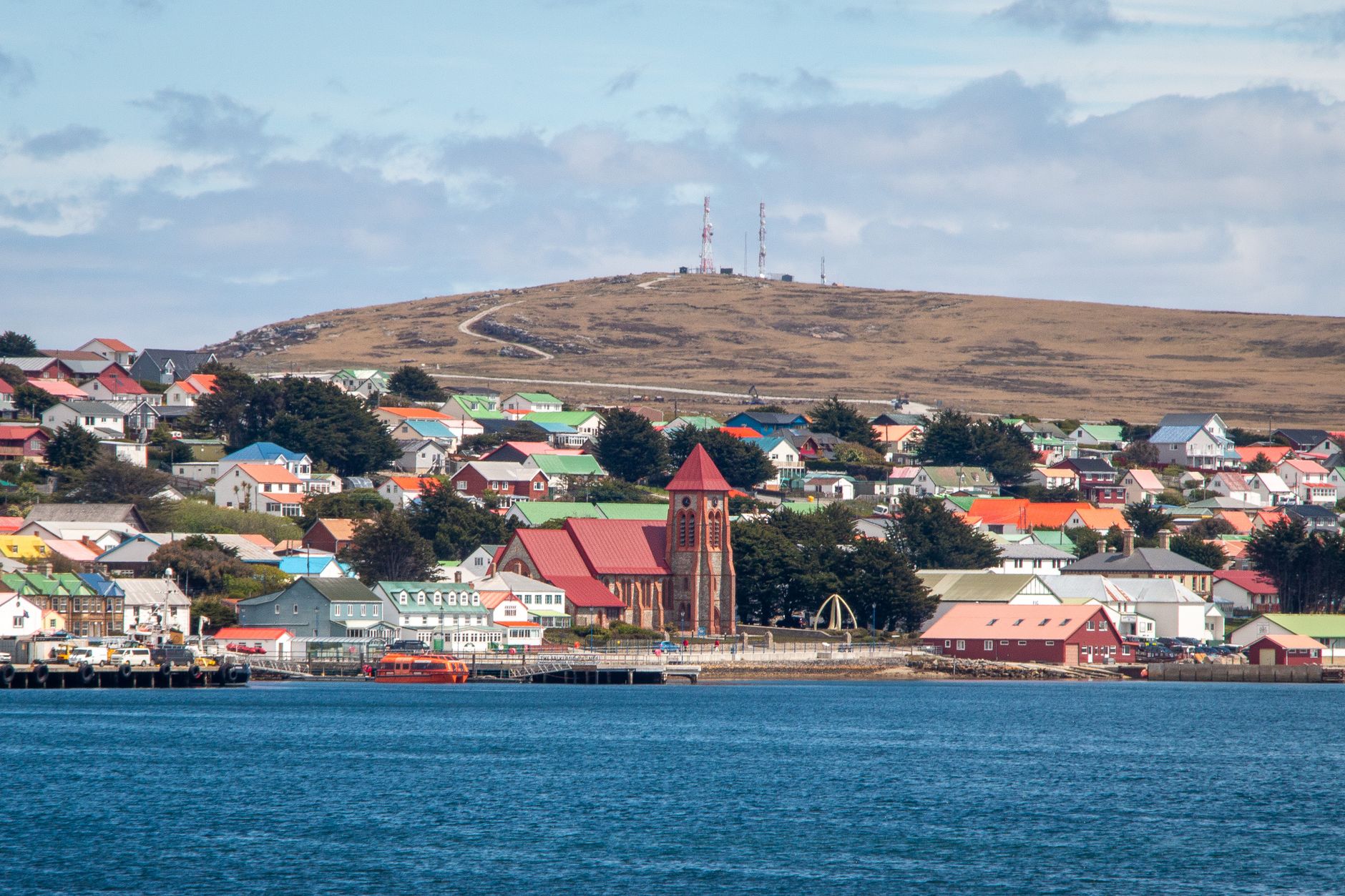
Falklands oil firms sanctions are looming as Argentina’s leader warns that companies working off the coast of the disputed islands may face consequences.
Background on the Falklands dispute
The Falkland Islands, a remote archipelago located in the South Atlantic, have been a point of contention between Argentina and the United Kingdom since the early 19th century. The dispute intensified in 1982 when Argentina invaded the islands, leading to a brief but intense war with the UK. Although the conflict ended with British control, Argentina continues to claim sovereignty over the territory.
In recent years, the discovery of significant oil reserves in the waters surrounding the Falklands has added a new dimension to the dispute, drawing interest from various international oil firms. Argentine leaders have expressed strong opposition to these explorations, arguing that they infringe on Argentina’s rights to the resources.
In light of this ongoing tension, Argentina’s government has issued warnings regarding the potential for sanctions against oil firms operating off the Falklands. This stance reflects Argentina’s determination to assert its claims and protect its interests in the region. The implications of such sanctions could significantly impact the operations of foreign companies involved in oil exploration, as they navigate the complex geopolitical landscape.
Argentina’s stance on oil exploration
Argentina’s government has taken a firm stance regarding oil exploration in the disputed Falkland Islands, warning that firms engaged in such activities may face severe sanctions. The Argentine leader emphasized that these measures are necessary to protect national sovereignty and address the ongoing tensions surrounding the territories.
In recent statements, officials highlighted the following key points:
- National Sovereignty: Argentina asserts that the Falklands are an integral part of its territory, and any oil exploration is viewed as a violation of its rights.
- Sanctions Threat: Companies operating in these waters could encounter legal and financial repercussions, as the Argentine government is prepared to act decisively against them.
- International Relations: The leader mentioned that Argentina will seek support from the international community to uphold its claims and ensure compliance with its sanctions.
This warning reflects Argentina’s heightened vigilance regarding the activities of oil firms in the region, as tensions over the Falklands dispute continue to simmer. The implications of these sanctions could have far-reaching effects on international oil markets and the operations of companies involved.
Potential impact on oil firms
The recent warning from Argentina’s leader regarding potential sanctions on oil firms operating in the Falklands has raised concerns within the industry. As tensions between the UK and Argentina persist over the disputed territory, companies engaged in oil exploration may face significant repercussions.
Analysts indicate that these sanctions could lead to several potential impacts on oil firms:
- Financial Risks: Sanctions could result in hefty fines and the loss of access to key markets, dramatically affecting profitability.
- Operational Challenges: Firms may encounter difficulties in securing contracts, financing, and permits, hampering their ability to conduct operations smoothly.
- Reputation Damage: Companies involved in Falklands oil exploration may suffer reputational harm, making partnerships and collaborations more challenging.
- Market Volatility: The threat of sanctions could lead to uncertainty in the oil market, influencing prices and investment decisions.
As the situation evolves, oil firms must navigate these challenges while considering the implications of Argentina’s stance on their operations in the Falklands, which could escalate tensions further.
International response to sanctions
In the wake of escalating tensions over oil exploration in the Falklands, international responses to potential sanctions imposed by Argentina have varied significantly. Several countries have expressed concern over Argentina’s threats against oil firms operating in the disputed waters.
Notably, the United Kingdom has reaffirmed its commitment to support the rights of the Falkland Islanders and protect their economic interests. Officials have indicated that any sanctions targeting oil firms in the region could be met with diplomatic pushback. The UK government is closely monitoring the situation and has emphasized the importance of maintaining access to resources in the South Atlantic.
Meanwhile, the United States has called for dialogue between Argentina and the UK, advocating for a peaceful resolution to the dispute. In contrast, some nations in the Latin American region have shown solidarity with Argentina, suggesting a unified stance against foreign exploitation of resources.
As the situation develops, industry analysts are keeping a watchful eye on the implications of these sanctions on Falklands oil firms, assessing both the economic risks and diplomatic repercussions involved.
Historical context of Falklands conflict
The Falklands conflict, which erupted in 1982, remains a significant point of tension between Argentina and the United Kingdom. The dispute arose when Argentina invaded the islands, claiming sovereignty over the territory, which it calls Las Malvinas. The UK, however, responded with military force, ultimately reclaiming control of the islands after a brief but intense war.
Since then, the Falklands have become a focal point for national pride on both sides, with Argentina continuing to assert its claim over the islands. The discovery of oil reserves around the Falklands in recent years has intensified this rivalry, as both nations seek to assert their rights to the valuable resources beneath the sea.
In response to ongoing oil exploration by foreign firms in the region, the Argentine government has issued stern warnings regarding potential sanctions. The move aims to discourage companies from engaging in activities that Buenos Aires deems illegal under its sovereignty claims. These Falklands oil firms sanctions reflect Argentina’s commitment to reclaiming what it views as its rightful territory and resources, heightening tensions in an already complicated geopolitical landscape.
Economic implications for Argentina
The potential sanctions against Falklands oil firms could have significant economic implications for Argentina. As the Argentine government intensifies its stance against oil exploration in the disputed waters, it is essential to consider the broader effects on the national economy and its energy sector.
Many analysts believe that these sanctions could deter foreign investment in Argentina’s natural resources, particularly in the oil and gas sector. This may lead to:
- Reduced Revenue: With fewer investments, the government could face a decline in tax revenues, which are crucial for funding public services.
- Economic Isolation: Stricter sanctions may result in Argentina being viewed as a less attractive destination for international investors, potentially stalling economic growth.
- Impact on Local Employment: Job creation in the energy sector could be jeopardized, affecting local communities that rely on these jobs for their livelihoods.
Additionally, the Argentine leader’s warning highlights the delicate balance between asserting national sovereignty and ensuring economic stability. As the situation develops, the ramifications of these sanctions on Falklands oil firms will be closely monitored by both domestic and international stakeholders.
Public opinion on oil exploration
Public opinion regarding oil exploration in the Falklands has become increasingly polarized, especially in the wake of recent statements from Argentina’s leadership. Many residents of Argentina express strong opposition to foreign oil firms operating in the disputed territory, viewing such activities as a direct affront to national sovereignty.
Supporters of sanctions argue that they are necessary to protect Argentina’s rights over the Falklands, emphasizing the need for a unified stance against what they perceive as exploitation of their natural resources. On the other hand, critics of the sanctions warn that they could deter foreign investment and harm the local economy in the long run.
Surveys indicate that a significant portion of the Argentine population believes that the government should take a firmer stance against oil firms. Many citizens feel that sanctions against these companies are justified, especially in light of historical grievances stemming from the Falklands conflict.
- Economic nationalism is a strong driving force behind public sentiment.
- Concerns over environmental impacts from oil exploration also play a role.
- Debates continue over the long-term benefits versus potential costs of sanctions on oil firms.
Future of Falklands oil industry
The future of the Falklands oil industry remains uncertain as tensions escalate between Argentina and the oil firms operating in the disputed waters. Argentine President Alberto Fernández has issued stern warnings, stating that any companies involved in oil exploration off the Falklands could face sanctions. This threat is part of a broader strategy to assert Argentina’s claims over the islands and to deter foreign investment in the region.
Oil companies, including those already engaged in exploration, are now reassessing their operations in light of these developments. The potential sanctions could hinder their ability to conduct business and attract new investments, ultimately stalling the growth of the Falklands oil sector.
Furthermore, the geopolitical landscape complicates the situation, as international firms weigh the risks of operating in contested territories. The ongoing sanctions and diplomatic pressure from Argentina may push some companies to withdraw, while others may adopt a more cautious approach.
As the situation unfolds, the viability of the Falklands oil industry will largely depend on the international community’s response to Argentina’s sanctions and the companies’ willingness to navigate this challenging environment.
The Argentine leader emphasized the importance of upholding the Falklands oil firms sanctions in order to protect national interests. He warned that any violation of these Falklands oil firms sanctions would not be tolerated.
Photo by ArcticDesire.com Polarreisen on Pexels