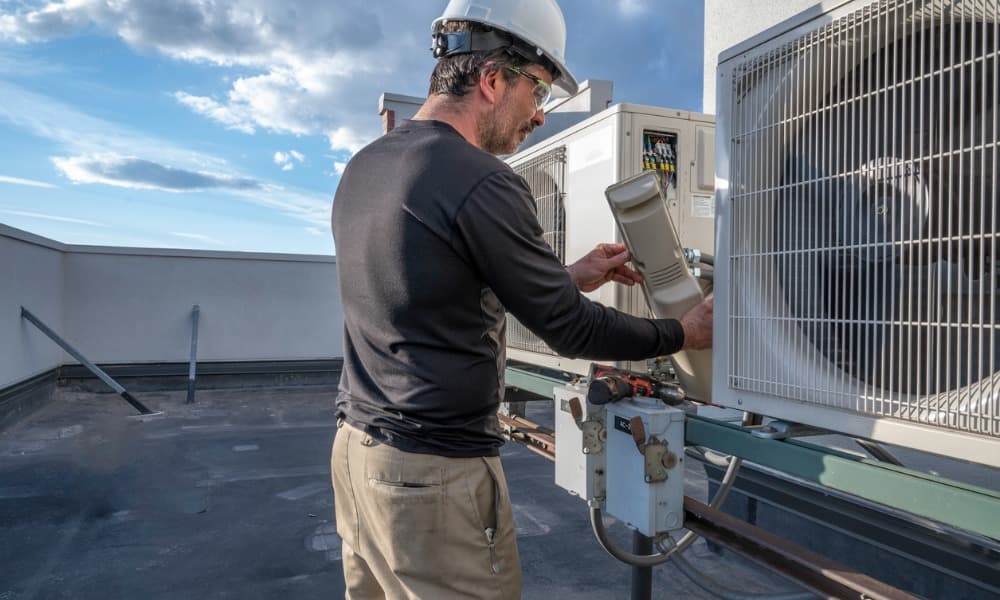

A heat pump provides both heating and cooling, making it an important part of year-round home comfort. However, repeated breakdowns can become frustrating, particularly when the system struggles to maintain a consistent indoor temperature. Although some faults can be resolved through straightforward repairs, recurring problems may indicate that the equipment is approaching the end of its useful life.
For homeowners considering heat pump replacement in Naples, FL, it is worth understanding which warning signs suggest that another repair may not be the most practical option. The decision depends on the system’s condition, repair history, energy performance and overall reliability. Recognising these factors can help homeowners compare their options and make an informed decision about their heating and cooling needs.
Frequent Repairs and Recurring Faults
One of the clearest warning signs is a heat pump that repeatedly develops problems soon after being repaired. A single fault does not necessarily mean the equipment needs replacing, but recurring breakdowns may indicate underlying wear or several components approaching the end of their service life. Keeping records of previous repairs can help identify whether problems are becoming more frequent or expensive.
When the same issue returns, ask a qualified technician to investigate its underlying cause rather than treating each breakdown in isolation. The assessment should consider the condition of the equipment, the nature of the fault and the likely cost of further work. If repairs are becoming increasingly disruptive, comparing the cost of continued maintenance with replacement options may be worthwhile.
Rising Energy Bills and Poor Performance
A noticeable increase in electricity bills can suggest that a heat pump is no longer operating as efficiently as it should. Dirty filters, restricted airflow, incorrect thermostat settings and mechanical faults can all affect performance. Changes in outdoor temperatures and household energy use can also influence bills, so it is important to consider these factors before assuming the equipment is failing.
If energy costs remain unusually high despite similar usage patterns, arrange a professional inspection. Homeowners researching heat pump replacement in Naples, FL should compare the existing system’s condition and efficiency with suitable modern alternatives. A replacement may offer practical benefits when the current equipment is inefficient or unreliable, but the potential savings will depend on the system selected, installation quality and how the household uses it.
Uneven Temperatures and Weak Airflow
A properly functioning heat pump should help maintain comfortable temperatures throughout the home. If some rooms remain warm while others feel cool, or the system takes an unusually long time to reach the thermostat setting, there may be a problem with airflow, controls or equipment performance. Blocked vents, dirty filters and ductwork issues are possible causes that should be checked before considering replacement.
Persistent comfort problems deserve further investigation, especially when basic maintenance does not improve performance. A technician can examine the system’s capacity, inspect its components and assess whether the existing equipment is suitable for the property. Replacing a heat pump without identifying the original cause may not resolve problems that stem from poor duct design, inadequate insulation or incorrect system sizing.
Unusual Noises and Visible Signs of Wear
Heat pumps produce some operational noise, but sudden or persistent changes can indicate a developing fault. Grinding, rattling, buzzing or repeated clicking may be associated with loose parts, electrical issues or mechanical wear. The source cannot always be identified from the sound alone, so avoid opening electrical compartments or attempting repairs without the appropriate training.
Visible damage, repeated icing or signs of corrosion can also justify a professional assessment. Some issues are repairable, while others may reflect more extensive deterioration. If the system is making unusual noises, repeatedly shutting down or showing visible damage, switch it off when it is unsafe to operate and arrange qualified assistance. Prompt attention may prevent further damage and help establish whether repair remains a sensible option.
Deciding Between Another Repair and Replacement
The right decision depends on several factors rather than the age of the heat pump alone. Consider how often the system breaks down, whether essential components remain in good condition, how well it maintains comfort and the likely cost of future repairs. Warranty coverage and the availability of replacement parts may also affect the overall value of keeping the existing equipment.
Before making a decision, ask the technician to explain the findings and provide a clear comparison of the available options. Consider the following points:
● The cost and expected benefit of the proposed repair.
● The frequency and nature of previous breakdowns.
● The system’s energy performance and reliability.
● The suitability and installation cost of a replacement.
● Any applicable warranties and ongoing maintenance requirements.
A balanced assessment helps prevent unnecessary replacement while ensuring that continued repairs are not pursued without considering their long-term value.
Summary
Repeated repairs, rising energy bills, uneven temperatures and unusual noises can all indicate that a heat pump needs closer attention. However, these symptoms do not automatically mean the equipment must be replaced. Professional diagnosis is important because relatively straightforward faults can sometimes cause significant changes in comfort and performance.
Before paying for another repair, review the system’s history and ask a qualified technician to assess its overall condition. Comparing repair costs, reliability and replacement options will help you choose a practical solution that supports consistent indoor comfort and dependable performance over the longer term.